Managing your monthly expenses can often feel like a full-time job. Between utility costs, subscription services, and credit card balances, the number of dates to remember is constantly growing. It is easy to feel overwhelmed by the sheer volume of deadlines that require your attention every single month.
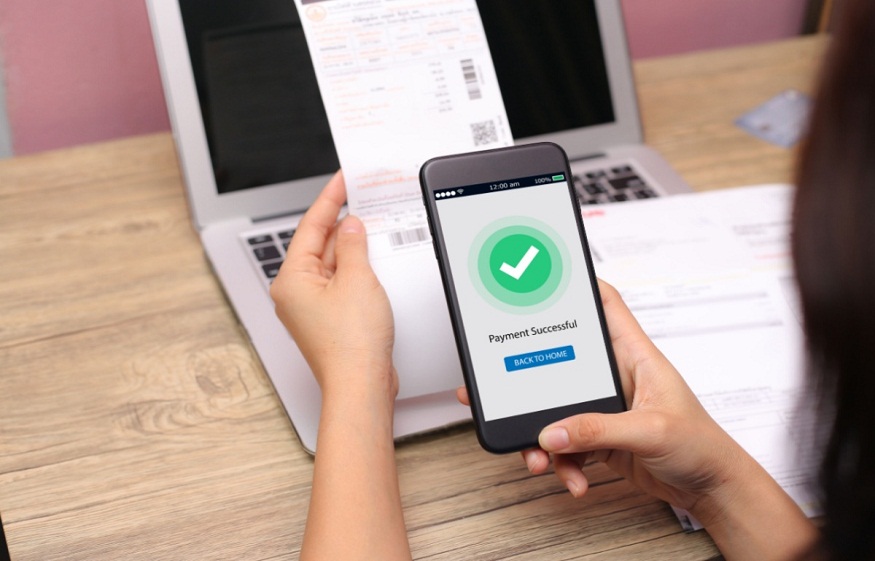
Fortunately, modern technology offers a simple solution to this common problem. By using a payment app on your smartphone, you can transform your financial routine from a chaotic scramble into a streamlined process. These digital tools are designed to help you stay organized and ensure that every bill payment is made on time, every single time.
Taking a few minutes to set up reminders can save you hours of stress later on. When you automate your notifications, you no longer have to rely on your memory or a paper calendar. Instead, your phone does the heavy lifting for you, allowing you to focus on the things that truly matter in your daily life.
The Shift Toward Digital Financial Management
In the past, keeping track of expenses meant waiting for paper statements to arrive in the mail. You would then have to write a check, find a stamp, and hope the envelope reached its destination before the grace period ended. This manual process was not only slow but also prone to human error. If a letter was lost or a date was misread, you faced the consequences of a late arrival.
Read More : The Small UX Choices That Make Bill Payments Seamless on Apps
Today, the landscape of personal finance has changed completely. Most people now handle their money through digital platforms that offer instant updates and real-time tracking. A reliable payment app acts as a central hub for all your financial activity. It connects your bank accounts and your service providers, giving you a clear view of what you owe and when it is due.
This shift toward digital management is about more than just convenience. It is about gaining a sense of control over your resources. When you can see all your obligations in one place, you are less likely to be surprised by a sudden withdrawal or a forgotten subscription. This transparency is the first step toward building a healthier relationship with your money.
The Hidden Costs of Missing a Due Date
Missing a single bill payment might seem like a small mistake, but the ripple effects can be significant. Most service providers charge late fees that can range from a few dollars to a substantial percentage of the total balance. Over the course of a year, these small penalties can add up to hundreds of dollars in wasted money that could have been saved or invested elsewhere.
Beyond the immediate financial cost, late payments can also impact your credit health. Many companies report payment history to credit bureaus. If you consistently miss deadlines, your credit score may drop, making it harder for you to secure loans or favorable interest rates in the future. Maintaining a perfect record is one of the easiest ways to protect your long-term financial reputation.
There is also a psychological cost to consider. The constant worry about whether you forgot something creates a background level of stress that can affect your productivity and mood. By setting up a reminder in your payment app, you eliminate that mental clutter. You gain the peace of mind that comes from knowing your responsibilities are being handled systematically.
Step-by-Step Guide to Organizing Your Alerts
Setting up reminders is a straightforward process that anyone can master in just a few minutes. The first step is to gather all your recurring expenses. This includes everything from your rent or mortgage to your monthly streaming services. Once you have a complete list, you can begin inputting these dates into your chosen platform.
Most applications allow you to link your accounts directly. When you connect a utility provider or a credit card to your payment app, the system can often pull the due date and the amount owed automatically. If an automatic link is not available, you can usually create a manual reminder. You simply enter the name of the bill, the amount, and the date you want to be notified.
It is a good idea to set the reminder for a few days before the actual due date. This gives you a buffer in case you need to move funds between accounts or if there is a bank holiday that might delay the transfer. By giving yourself a three-day or five-day warning, you ensure that the money arrives exactly when it needs to be there.
Customizing Notifications for Better Budgeting
Not all reminders need to look the same. A high-quality payment app will offer various ways to notify you. You might prefer a push notification that pops up on your home screen, or perhaps an email is more effective for your workflow. Some people even choose to receive text messages for their most important obligations to ensure they do not miss the alert.
You can also use these reminders as a budgeting tool. For example, you can set a notification to alert you when a bill is higher than usual. If your electricity bill spikes in the summer, an early alert allows you to adjust your spending in other areas to compensate. This proactive approach prevents you from reaching the end of the month with an empty bank account.
Read More :Step to streamline form line economic offerings for accountants
Another helpful feature is the ability to categorize your expenses. You can tag reminders as “Essential,” “Leisure,” or “Debt Repayment.” This categorization helps you see exactly where your money is going. When the notification arrives, you are not just seeing a number: you are seeing how that specific bill payment fits into your overall financial plan.
Ensuring Your Financial Data Stays Protected
When you use a payment app to manage your life, security should always be a top priority. It is natural to feel a bit hesitant about linking your financial information to a digital platform. However, most modern applications use high-level encryption to keep your data safe from prying eyes. This technology scrambles your information so that only authorized parties can read it.
To add an extra layer of protection, you should always enable two-factor authentication. This requires you to provide two forms of identification before accessing your account, such as a password and a code sent to your phone. Many apps also offer biometric logins, allowing you to use your fingerprint or facial recognition to verify your identity.
It is also important to keep your software updated. Developers frequently release updates that include security patches to protect against new threats. By keeping your payment app current, you ensure that you are using the most secure version available. Taking these small steps allows you to enjoy the convenience of digital reminders without compromising your privacy.
Building Long-Term Financial Habits
The ultimate goal of using technology to track your expenses is to build habits that last a lifetime. In the beginning, you might find yourself checking the app every day to make sure everything is working correctly. Over time, you will develop a rhythm. You will start to trust the system, and the act of managing your money will become second nature.
Consistency is the key to financial success. When you never miss a bill payment, you build a foundation of reliability. This discipline often spills over into other areas of your life, leading to better savings habits and more thoughtful spending. You stop reacting to financial crises and start planning for future goals.
Using a payment app is not just about avoiding late fees: it is about valuing your time and your resources. By automating the mundane tasks of adulthood, you free up your energy for more creative and fulfilling pursuits. Start today by setting your first reminder, and watch how a little bit of organization can transform your financial outlook.